

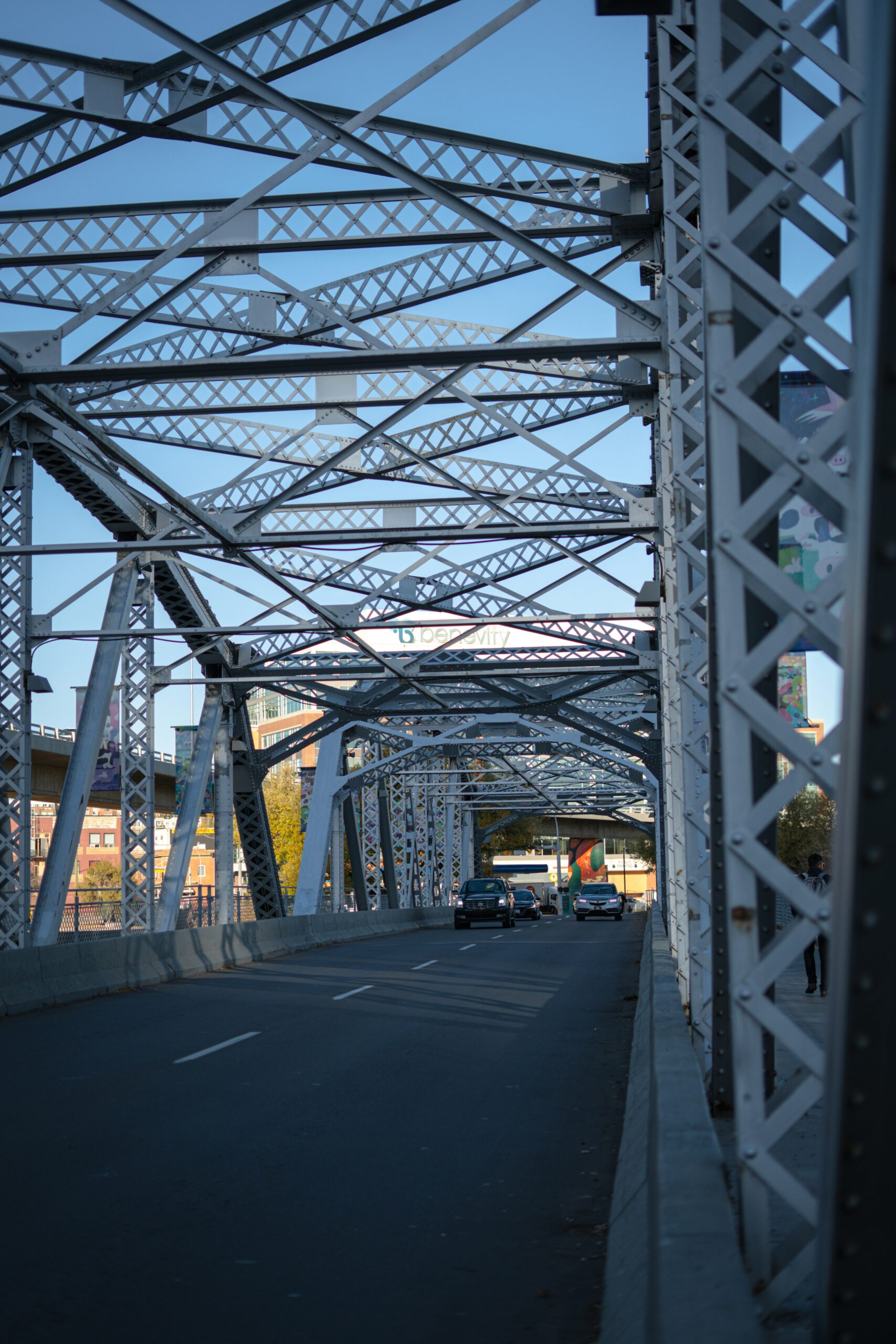
If you’re a structural steel fabricator in the United States, April 2026 handed you a significant new problem. On April 2, President Trump signed a proclamation under Section 232 of the Trade Expansion Act, raising tariffs on steel articles made almost entirely of the metal to a flat 50% on their full import value. Derivative articles substantially made of steel now carry 25%. The numbers are no longer theoretical — they’re on every purchase order hitting your inbox right now.
The Associated General Contractors of America reports that input prices for nonresidential construction surged at a 12.6% annualized rate in the first two months of 2026 — the fastest pace since early 2022. Steel mill product prices rose 20.7% year-over-year through January. For fabricators pricing jobs right now, estimates written before mid-2025 can no longer be trusted.
So what do you actually do about it? The instinct is to focus entirely on procurement — sourcing domestically, renegotiating supplier contracts, adding escalation clauses. All of that matters. But there’s a lever that most fabricators underutilize, and it sits much earlier in the project lifecycle: the quality of your steel detailing.
The Real Cost of a Detailing Error Has Just Multiplied
Let’s be direct about what a detailing mistake costs in 2026 versus 2024. An incorrect beam length that requires a re-cut and replacement order doesn’t just cost labor time anymore. It may require sourcing additional material at tariff-escalated prices, with extended lead times from domestic mills that are now running closer to capacity as foreign supply contracts.
The Deloitte 2026 Engineering and Construction Outlook projects that the effective tariff rate for construction goods has climbed to a 40-year high of 25 to 30 percent. In that environment, the cost of rework — which starts with a detailing error — isn’t a line-item inconvenience. It’s a margin-destroying event.
Every bolt group miscalculated. Every connection that needs a field fix. Every shop drawing that sends a fabricated member back for modification. These were already expensive. Now multiply the material component of each by 1.2 to 1.5x. That’s the new math.
Where Detailing Precision Directly Reduces Your Material Exposure
1. Accurate material takeoffs eliminate over-ordering buffers
When detailing is imprecise, fabricators build in buffer. They order extra material because they’ve been burned before. In a tariff environment, that buffer is now denominated in tariff-inflated dollars. A well-detailed set of drawings — with accurate cut lists, precise member lengths, and correct quantities — reduces the need for that buffer and brings your material order closer to what you actually need.
2. Clash detection prevents costly field-stage rework
Advanced detailing platforms and BIM-integrated workflows can flag structural clashes — beam-to-column conflicts, connection interference, anchor bolt misalignments — before a single piece of steel is cut. According to industry analysis, AI-assisted detailing tools are now capable of reducing manual errors significantly and shortening project timelines. Field rework on a tariff-escalated project is where budgets go to die.
3. Optimized material usage in connection design
Skilled connection detailers don’t just ensure structural compliance — they optimize. The choice between a welded moment connection and a bolted end-plate connection, for example, can have measurable material cost implications when steel is priced at a 20% premium. Detailers who understand both structural requirements and material economy bring a different kind of value than those who simply meet code.
What This Means for How You Evaluate Detailing Partners
In a normal cost environment, the cheapest detailing bid has a certain logic. The risk is bounded: if errors creep in, you absorb them. In a 50% tariff environment, that calculus collapses. The cost of a single significant detailing error on a mid-sized structural steel package can easily exceed the total fee differential between a budget detailer and a precision-focused firm.
The question to ask your current or prospective detailing partner is no longer just “what’s your rate per drawing?” It’s: what is your error rate? What does your revision cycle look like? How do you handle design changes mid-project without cascading downstream? These are the metrics that determine your actual fabrication cost in 2026.
If your current detailing workflow is leaving money on the table through rework, re-orders, or preventable field fixes, it may be time to reassess. Teams like Steel Step Solutions are built around exactly this standard — precision-first detailing using SDS2, with AISC compliance baked in from the first drawing. In a tariff-pressured market, that’s not a nice-to-have. It’s a financial necessity.