
Structural steel detailing is not a one-size-fits-all process. While commercial buildings and industrial facilities both rely on accurate steel detailing, the complexity, coordination requirements, and fabrication demands of industrial projects are significantly different.
In recent years, industrial construction projects such as manufacturing plants, power facilities, warehouses, refineries, and data centers have become increasingly complex. These projects require highly coordinated steel detailing workflows that go far beyond traditional commercial building requirements.
Understanding these differences is critical for fabricators, contractors, and project teams aiming to maintain project schedules, avoid costly clashes, and improve fabrication efficiency.
Industrial Projects Involve Higher Structural Complexity
Commercial buildings typically follow more repetitive structural systems. Office buildings, residential towers, and retail spaces often use standardized framing layouts and simpler coordination environments.
Industrial projects, however, involve:
- Heavy structural loads
- Complex equipment integration
- Multi-level process platforms
- Pipe rack systems
- Large-span structures
- Crane systems
- Mechanical support steel
- Customized structural configurations
These factors create far more demanding detailing environments.
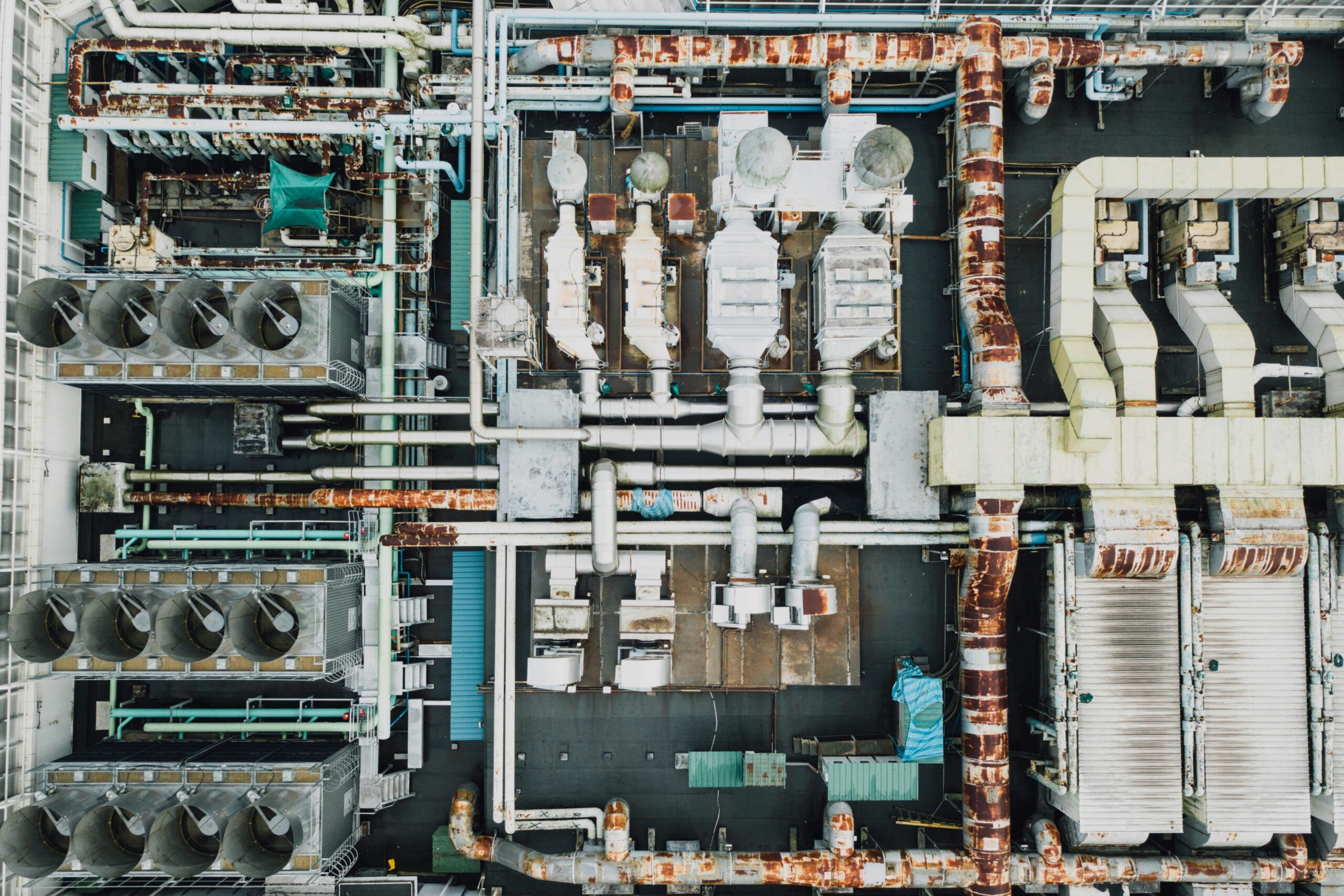
Industrial facilities often contain highly congested areas where structural steel must coordinate closely with piping, electrical systems, equipment supports, and process infrastructure.
This level of complexity requires advanced BIM coordination and highly detailed 3D modeling.
Coordination Requirements Are Significantly Higher
One of the biggest differences between industrial and commercial projects is the level of multidisciplinary coordination required.
Industrial facilities depend heavily on integration between structural, mechanical, piping, electrical, and process engineering teams. Even small coordination errors can create major site installation problems.
For example, a minor clash between structural steel and piping systems may require costly field modifications that delay installation schedules.
Because of this, industrial steel detailing demands:
- Detailed clash detection
- Advanced BIM workflows
- Frequent coordination reviews
- Accurate equipment integration
- Tight tolerance management
Commercial projects generally involve fewer highly congested coordination zones compared to industrial environments.
Fabrication and Erection Challenges Are More Demanding
Industrial steel structures are often fabricated and erected under more difficult conditions.
Many industrial facilities operate under phased construction schedules, shutdown constraints, or ongoing operational activities. This places additional pressure on detailing accuracy and sequencing.
Fabrication drawings for industrial projects must support:
- Precise erection sequencing
- Complex connection details
- Heavy equipment support systems
- Modular construction strategies
- Large assembly coordination
Errors in detailing can lead to fabrication delays, field modifications, and project disruptions that become extremely expensive at industrial scales.
As a result, industrial fabricators typically require a much higher level of detailing precision.
Data Centers and Industrial Expansion Are Driving Demand
Global investment in industrial infrastructure continues to increase rapidly.
Data centers, manufacturing plants, logistics facilities, and energy projects are creating strong demand for advanced steel detailing services.
Data center projects in particular require intensive coordination due to dense MEP systems and accelerated project schedules.
Industrial detailing teams are now expected to manage:
- High-volume modeling environments
- Continuous revisions
- Fast-track schedules
- Fabricator-specific requirements
- Multi-phase project execution
This has made digital workflows and BIM expertise increasingly important.
Industrial Projects Require Strong Revision Management
Industrial projects often evolve continuously during design and construction.
Equipment layouts, process requirements, and utility systems may change multiple times throughout the project lifecycle.
Without strong revision management processes, these changes can quickly create confusion across detailing, fabrication, and erection teams.
Professional detailing teams working on industrial projects must maintain:
- Accurate revision tracking
- Clear communication workflows
- Version control discipline
- Coordinated update procedures
This helps reduce fabrication errors and improves overall project control.
Safety and Compliance Expectations Are Higher
Industrial facilities frequently operate under stricter compliance and safety requirements.
Projects may require adherence to specialized codes, operational safety standards, or owner-specific specifications.
Steel detailing teams must ensure that fabrication drawings, connection details, and structural documentation align with these requirements.
The margin for error is significantly lower in heavy industrial environments.
The Importance of Experienced Industrial Detailing Teams
Industrial steel detailing requires more than drafting capability. It requires teams that understand fabrication workflows, project coordination, erection challenges, and industrial construction sequencing.
Experienced detailing partners can help fabricators and contractors reduce coordination conflicts, improve approval efficiency, and maintain schedule performance.
As industrial construction continues growing globally, demand for highly coordinated and technically capable detailing teams will continue increasing.
Steel Step Solutions supports industrial, infrastructure, and commercial projects through detailed BIM coordination, fabrication-focused steel detailing, and responsive project collaboration. By understanding the unique requirements of industrial construction environments, SSSPL helps fabricators and contractors improve coordination accuracy, reduce field issues, and execute complex steel projects more efficiently.