

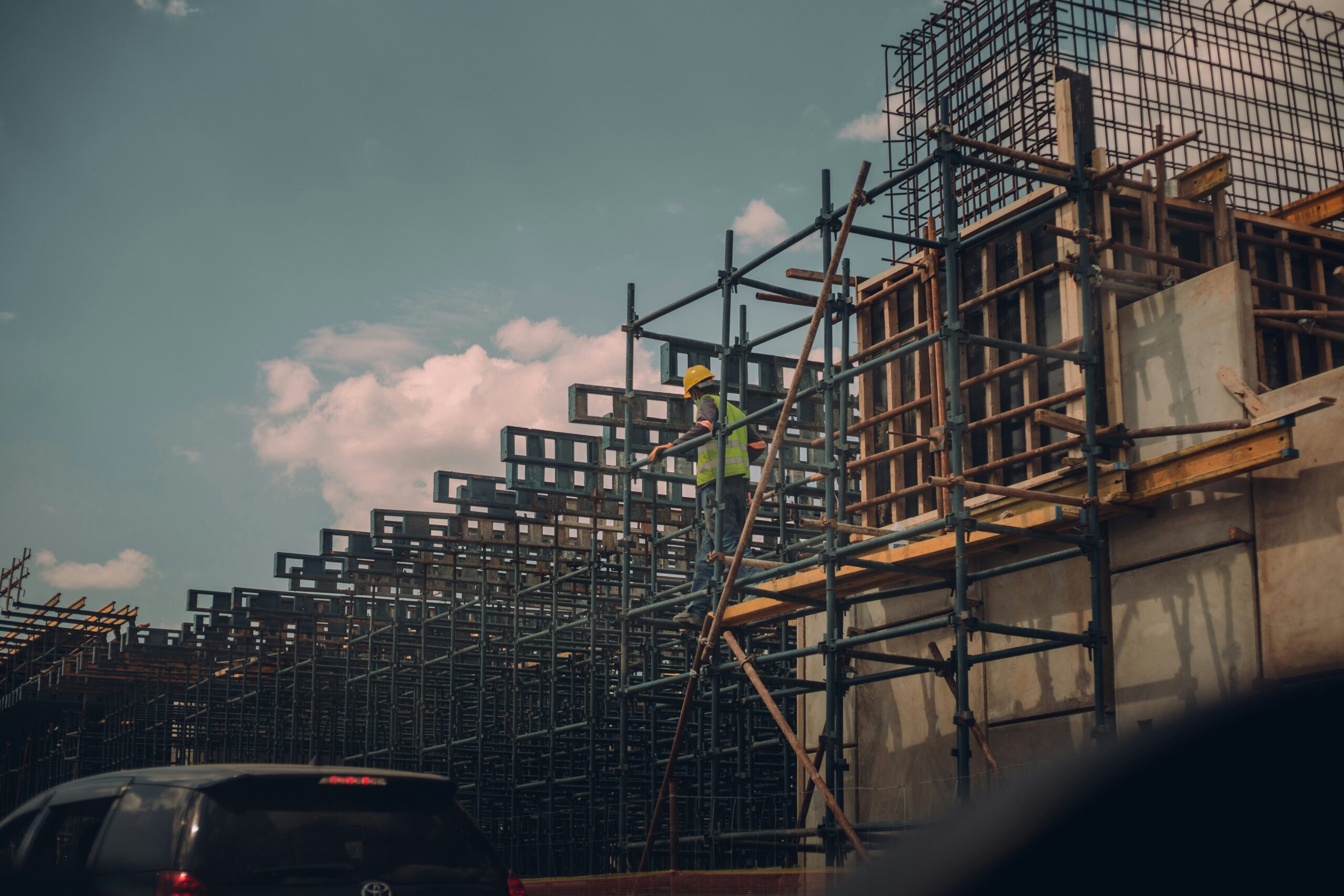
Modular Steel: 6 Key Detailing Tips for Faster On-Site Assembly
Modular construction is changing how structural steel moves from design to fabrication and finally to the jobsite. Instead of treating fabrication and erection as separate downstream activities, modular projects require teams to think about manufacturing, transportation, sequencing, and installation much earlier.
That makes modular steel detailing particularly important.
A conventional steel project can tolerate certain coordination issues being resolved during fabrication or erection. A modular project has less room for them. When large assemblies are fabricated away from the jobsite, transported, and installed as planned units, errors in dimensions, connections, interfaces, or sequencing can quickly become expensive field problems.
Here are six detailing considerations that can help modular steel projects move from shop to site more efficiently.
1. Design the Model Around Assembly, Not Just Geometry
A modular steel model should do more than represent the final structure accurately. It should support how that structure will actually be fabricated, transported, lifted, and assembled. Detailers need to understand which members belong to each module, where module boundaries occur, and how individual assemblies will connect once they reach the site.
This means the 3D model should clearly represent:
- Module boundaries
- Primary and secondary framing
- Field connections
- Shop-welded versus field-bolted components
- Lifting and handling considerations
- Access requirements around connections
The objective is to create a model that reflects the construction sequence rather than simply reproducing the engineer’s design intent.
2. Give Connection Detailing Extra Attention
Connections become especially important when steel is assembled into modules. A connection that works well for a conventional stick-built structure may not be practical when two large prefabricated assemblies must be aligned and connected in the field. Detailing should therefore consider installation access, bolt access, weld requirements, erection tolerances, temporary stability, and the order in which connections will be completed.
Connection details should also make the intended field assembly sequence clear to the fabricator and erector.
For modular work, the question is not only “Will this connection work structurally?” but also “Can the crew realistically install it after the modules arrive on site?”
3. Coordinate Interfaces Before Fabrication
One of the biggest advantages of modular construction is that significant work can happen away from the jobsite. But that advantage depends on accurate coordination before fabrication begins.
Steel modules may need to interface with concrete, MEP systems, architectural components, equipment, façade systems, or adjacent modules. A coordinated BIM environment can help identify conflicts before steel is fabricated. Openings, penetrations, embedded components, connection points, and clearance zones should be reviewed as part of the detailing process.
This is where 3D steel modeling becomes more than a drawing-production exercise. The model becomes a coordination tool connecting structural design with fabrication and installation requirements.
4. Detail With Transportation in Mind
A module can be perfectly detailed for fabrication and still create problems if it cannot be transported efficiently. Module dimensions, weight, overall geometry, lifting points, temporary bracing, and trailer loading can all affect how an assembly moves from the fabrication facility to the project site.
For this reason, modular steel detailing should account for transportation constraints early rather than treating shipping as a separate logistics problem. The detailer, fabricator, engineer, and project team should establish practical limits for module size and weight and identify components that may need to be assembled at the site instead.
5. Build Erection Sequence Into the Detailing Process
Modular construction places greater emphasis on getting the right piece to the right location at the right time. AISC guidance highlights the importance of erection sequencing and coordinating fabrication and delivery with the erector’s planned installation sequence. For modular projects, this principle becomes even more important.
The detailing process should support identification of:
- Module and assembly marks
- Erection sequence
- Field connection locations
- Temporary support requirements
- Shipping and delivery sequence
- Crane-access considerations
- Installation orientation
When shop production and erection sequence are disconnected, modules can arrive at the site in an order that does not support the planned installation process. A well-structured model and drawing package can help connect fabrication sequencing with field assembly.
6. Manage Tolerances at Every Interface
Tolerance management is critical when multiple prefabricated components must fit together on site. A small dimensional discrepancy in one assembly can become a larger problem when several modules are connected together. This is particularly important at module-to-module interfaces and where steel connects with work produced by other trades.
Project teams should establish appropriate fabrication, erection, and interface tolerances early. AISC’s modular construction guidance specifically emphasizes discussing tolerances among the project participants before prefabrication begins. The detailer’s role is to translate those requirements into accurate geometry, connection details, fabrication dimensions, and coordinated drawings.
Faster Assembly Starts With Better Detailing
Modular steel construction can shift significant work from the jobsite into controlled fabrication environments. But faster on-site assembly does not happen automatically because a project is modular.
The speed comes from coordination.
Accurate modular steel detailing connects structural design with fabrication, transportation, erection, and field installation. When the model accounts for connection access, module interfaces, transportation constraints, sequencing, and tolerances, the fabrication team has clearer information and the erection team has fewer avoidable surprises. For fabricators and contractors adopting modular construction, the steel detailer should therefore be involved early enough to influence constructability—not simply produce drawings after the major decisions have already been made.
At Steel Step Solutions, detailed 3D steel models and fabrication-ready documentation can help project teams coordinate complex steel packages before they reach the shop or jobsite.